
Comparing Czech Banks: What You Actually Need to Know
Interest rates, fees, customer service, and digital features vary significantly across Czech banks. Here's how to evaluate your options without getting lost in marketing claims.

Why Comparison Actually Matters
You've probably heard it before—shop around for a better rate. Thing is, that advice is outdated if you're thinking about Czech banks. It's not just about interest rates anymore. Banks compete on digital tools, customer support, fee structures, and how quickly they approve loans. Some excel at mobile banking while others still operate like it's 2010. The differences matter, especially if you're going to be banking somewhere for years.
Most people don't realize they're paying for services they'll never use. A bank with fancy investment features won't help if you just need a solid checking account and a savings product. We're going to break down what actually matters when you're comparing Czech banks—and spoiler alert, it's not what the ads tell you.
Key Factors That Matter
- Account maintenance fees (or lack thereof)
- Mobile app functionality and security
- Interest rates on savings accounts
- Customer service response times
- Transaction fees and ATM access
The Fee Landscape: Where Banks Make Their Money
Here's something that surprised most people we talked to: account maintenance fees still exist in the Czech banking sector, and they're not always obvious. Some banks charge 5–15 CZK monthly just to keep your account active. Others waive it if you maintain a minimum balance or set up a direct deposit. That's a hidden cost nobody talks about.
Transaction fees are where banks really differentiate themselves. You'll see charges for international transfers (anywhere from 100 CZK to 500+ CZK depending on the bank), cash withdrawals outside their network, and card payments abroad. If you travel regularly or need to send money internationally, these fees compound quickly. Some banks offer "premium" packages that waive certain fees, but you're paying for those benefits upfront.
The smart move? Don't just look at the headline rate on a savings account. Calculate the actual earnings after fees. A 2.5% interest rate sounds good until you realize you're paying 50 CZK monthly just to access the account. Over a year, that's 600 CZK that never touches your savings. The effective return drops to maybe 1.8%. This is why comparing isn't optional—it's essential.

Educational Purpose
This article provides educational information about Czech banking products and services. The information presented is for informational purposes only and doesn't constitute financial advice. Bank terms, fees, and interest rates change regularly. Before making any banking decision, we recommend reviewing current information directly from your chosen bank and consulting with a financial advisor if needed. Your specific circumstances may differ from the examples discussed here.
Digital Banking: More Than Just a Pretty App
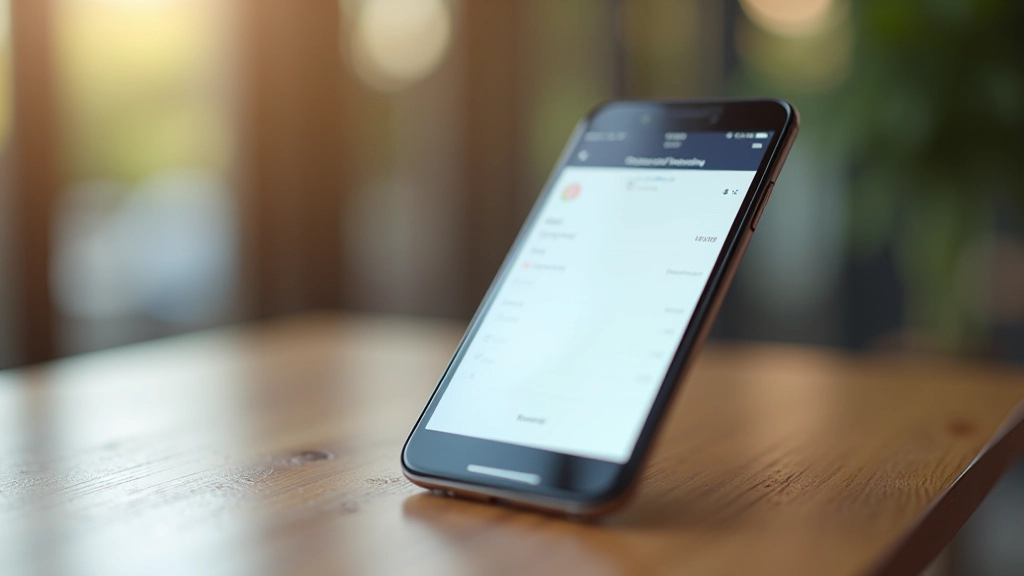
You'd think every Czech bank has a decent mobile app by now. You'd be wrong. Some banks still operate clunky interfaces that feel like they haven't been updated since 2015. Others have invested heavily in user experience and offer features like biometric login, instant notifications, and the ability to open new accounts entirely through your phone.
The real question isn't whether an app exists—it's whether it actually does what you need. Can you transfer money between your accounts? Pay bills? Check your credit? Download statements? Some banks limit functionality on their mobile app and force you to use their desktop version for important tasks. That's frustrating if you're managing your money on the go.
Security matters too. You'll want two-factor authentication, not just a password. Some banks offer hardware security keys, while others use SMS codes (which aren't ideal, but better than nothing). Look at how quickly they respond to unauthorized transactions. The best Czech banks have dispute resolution processes that work in days, not weeks.
Customer Service: Who Actually Answers When You Call?
Here's what nobody tells you about Czech banks: some of them have genuinely responsive customer service, while others are nearly impossible to reach. One bank we looked at had a 3-minute average wait time on their helpline during business hours. Another had a 40-minute average. That's a massive difference when you're trying to resolve a problem with a frozen account or a fraudulent charge.
The bigger banks often have 24/7 phone support but rely heavily on automated systems. Smaller, newer banks might have shorter wait times but limited hours. Some banks don't even offer phone support—just email and chat. If you're the type who needs to talk to a human, this matters. A lot.
Check the bank's social media response times too. Some respond to complaints on Twitter within hours. Others don't monitor it at all. This tells you something about their commitment to customer satisfaction. And read recent reviews on independent sites—not the bank's own website. Real people will tell you if service is actually good or if it's just marketing.

Making Your Comparison Framework
You don't need to check every detail about every bank. Focus on what matters to you specifically. Here's how to build your personal comparison framework:
If You Save Regularly
Compare savings account interest rates, but also check maintenance fees and withdrawal limits. A 2.8% rate is useless if the bank charges 100 CZK monthly to maintain the account. Look for accounts without minimum balance requirements unless you're comfortable with one.
If You Travel Often
Focus on international transfer fees, card payment fees abroad, and ATM access networks. Some Czech banks partner with networks that give you fee-free ATM access across Europe. Others charge 2–3% on every card transaction outside the Czech Republic.
If You Want Simplicity
Choose banks with no account fees, straightforward fee structures, and a solid mobile app. You don't need investment products or complicated credit lines. Some Czech banks offer exactly this—checking account, savings account, debit card, done.
If You Need a Loan
Compare interest rates, processing times, and required documentation. Some banks approve loans in 24 hours with minimal paperwork. Others require weeks of back-and-forth. The interest rate difference between banks can amount to thousands of CZK over the loan term.
The Bottom Line
Comparing Czech banks doesn't have to be complicated. You're looking at a few core things: fees that won't drain your account, digital tools that actually work, customer service that responds when you need it, and interest rates that reflect the current market. Don't get seduced by the bank with the flashiest marketing. Look at the actual terms, do the math, and ask yourself if the features they're pushing matter to you.
The good news? The Czech banking market is competitive enough that you have real options. Some banks are genuinely good at different things. It's your job to find the one that matches what you actually need—not what the bank wants you to think you need. Take 30 minutes to compare three banks you're considering. Check their fees, test their mobile apps, and read a few recent reviews. That small investment of time could save you hundreds of CZK every year.

Related Articles